I have an ongoing debate with my husband about vulnerability. My husband – I say this without judgement! – holds his cards close to his chest. He works hard to present an even-keeled demeanor to the outside world, no matter what is roiling within. He doesn’t tell people about what he’s doing until it’s done. If he is working through a problem, he usually doesn’t involve others until he has (or at least is really close to) a solution.
I am the opposite. I am an open book. If you ask me how I am, and I feel crappy, I will tell you. If I have an idea or a project or a conundrum tumbling around in my brain, I will talk about it – even in its fledgling stage, before I really know how to express myself clearly. In fact, it is the talking that helps me organize my thoughts. I work out my problems in community. When I am feeling beaten down and confused about what to do, my first instinct is to cry out for help.
In essence: when I am lost, I ask for directions. When my husband is lost, he pulls out his map.
I don’t hold these two up to compare them, but to contrast them. In the end, we both usually get where we want to go; I believe that there are pros and cons to each mindset. My husband gets himself where he is going largely on his own steam, so the laurels (or the blame) all go to him when he arrives (or doesn’t). I seek lots of input, so wherever I end up, I have company – but the chances are much greater that my road will be winding and I may not arrive exactly where I planned.
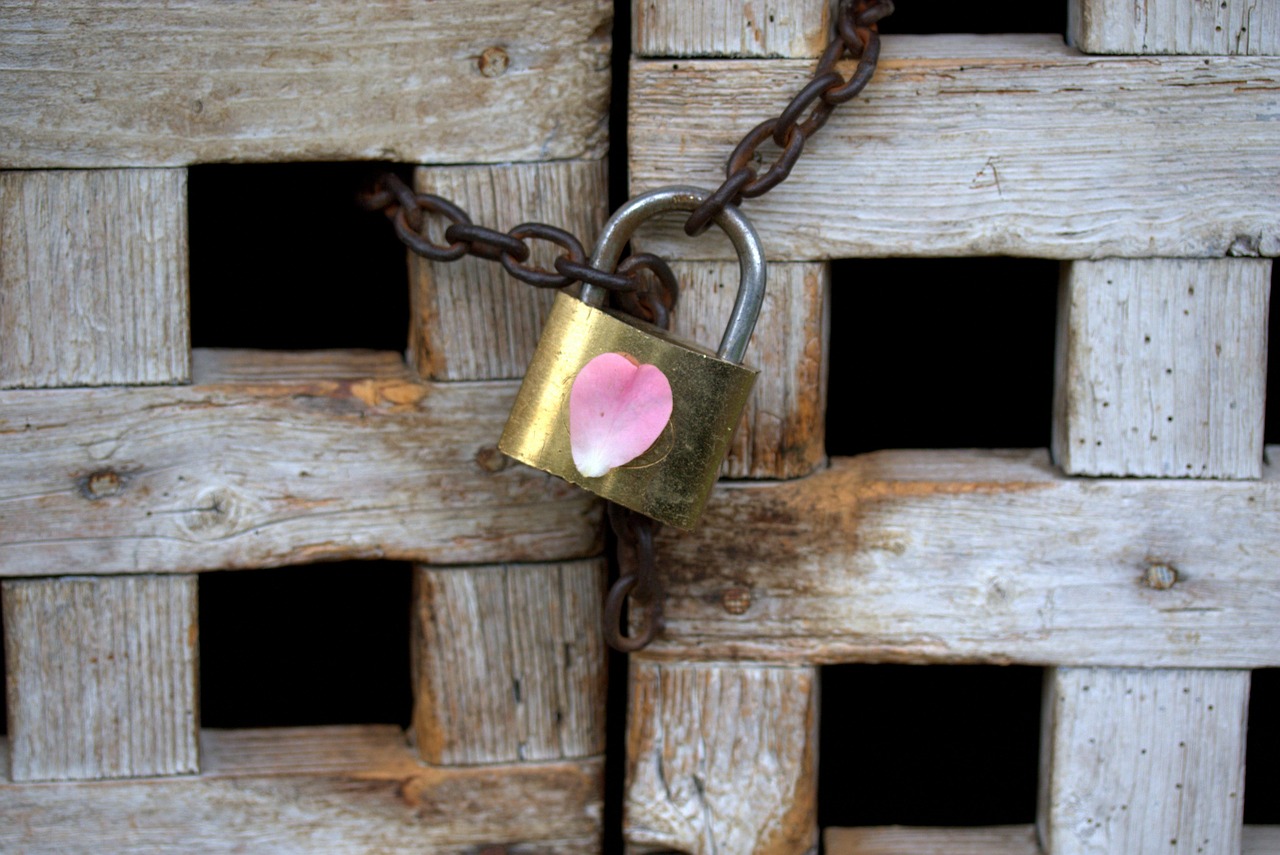
My husband says that my openness leaves me susceptible to attack. I say my willingness to be vulnerable is a source of power. We are probably both right.
Let’s talk: Does it serve you to be vulnerable?
Image by Adina Voicu from Pixabay



2 thoughts on “How Open Is Too Open?”
You’re both right! As someone who shifts between both strategies, I can tell you that there is tremendous satisfaction and comfort in “leave me alone, I’ve got this”– but I have to say I’ve been absolutely floored by the results when (at the correct moment) I’ve decided to open myself up to “please help me figure this out!”
I agree, Patrick. The “correct” attitude depends on the moment, and the situation. So, it’s best to stay “open” about when to be open! 🤣